
Deciding when it is time to move into a nursing home can be difficult for families. There is no particular age or single event that means someone needs nursing care. The decision often comes when a person's health or care needs have changed to the point where they require more consistent support than can be provided safely at home. This may happen gradually or after an illness, hospital stay or significant change in mobility.
For families considering care in Eastbourne and the surrounding area, understanding when additional support may be appropriate can make the decision easier to approach. At Inglewood Care Home, nursing care is available for people with more complex health needs alongside support with everyday life. The focus is on providing care that respects each person as an individual while supporting their comfort, dignity and quality of life.
Understanding What Nursing Care Really Means
Nursing care is intended for people who need regular support from qualified nurses as part of their ongoing care. This may include people living with complex health conditions, reduced mobility or health needs that require closer monitoring.
Nursing care has a clinical element, but it is not only about managing health conditions. People continue to have their own routines, interests, relationships and preferences. These should remain an important part of daily life after moving into a care home. At Inglewood Care Home, nursing support is available around the clock for people with more complex medical needs. Care can include support with medication, treatments and individual health requirements. The level of support each person needs will be different. A care plan should reflect their circumstances and be reviewed if their needs change.
When Everyday Life Starts To Become More Difficult
One of the first signs that it may be time to consider nursing care is when everyday activities become increasingly difficult. For example, a person may begin to need help with washing, dressing or using the bathroom. They might struggle to prepare meals, move around their home or keep up with household tasks. These changes do not automatically mean someone needs nursing care. However, they can indicate that their current support arrangements need to be reviewed.
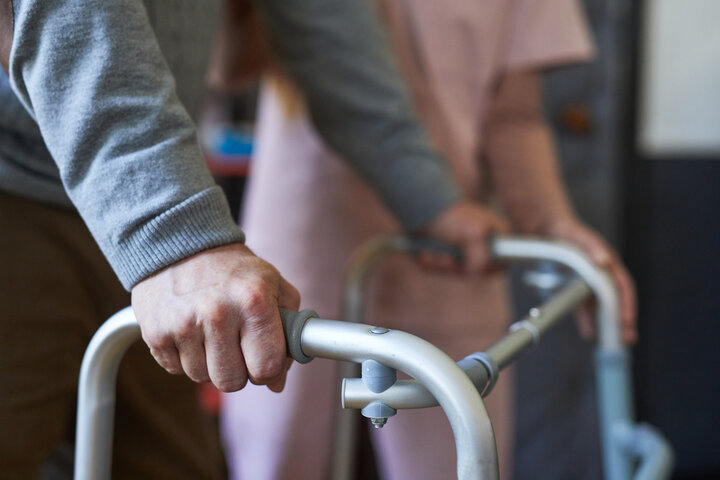
Falls are another common area for concern. Occasional falls can happen for many reasons, but repeated falls or increasing difficulty moving around safely may mean that living independently has become more challenging.
Families may also notice that a loved one is becoming less confident about being alone. They might avoid certain activities because they are worried about falling or struggle to manage stairs and other parts of their home or even not leaving their home altogether.

Changes In Health That Mean More Support Is Needed
A person's health can change gradually or unexpectedly. Sometimes a long-term condition becomes more difficult to manage. In other cases, someone may experience an illness or health event that affects their ability to live independently. Some people require regular monitoring or treatments that are difficult to manage without professional support. Others may need assistance with medication because they are forgetting doses or becoming confused about their prescriptions.
A diagnosis by itself does not mean that nursing care is necessary, as people with the same health condition can have very different needs. What matters is how a person's health affects their everyday life and whether their current care arrangements continue to meet those needs safely. If you are unsure about what level of care your loved one requires, speak with their GP or another healthcare professional involved in their care. They can help you understand the available options and whether a care needs assessment may be appropriate.


When Caring At Home Becomes Hard To Manage
Many families around the UK provide support for a loved one at home. This can involve helping with personal care, preparing meals, managing appointments or assisting with medication. Family support can be incredibly important, but there may come a point when the level of care required becomes difficult to maintain.
Relatives may have work and family responsibilities of their own. They may also live some distance away or find that their loved one's needs have become more complex than they can safely manage. If family members are becoming exhausted or increasingly worried about leaving someone alone, it may be sensible to explore professional care.
Choosing nursing care is not a sign that a family has failed. Sometimes a person's needs simply change. Having a professional care team involved can provide additional reassurance while allowing relatives to continue being involved as family rather than taking on every aspect of care themselves.
What Good Nursing Care Can Provide
UK evidence suggests that care homes can provide substantial benefits for older people, including safety, social contact, personalised care and improved quality of life. In England in 2024–25, 88.8% of adult social-care users reported being satisfied with their care, while 62% rated their quality of life as good or very good.
A nursing home can provide a consistent care environment for people who need ongoing professional support. Registered nurses can monitor health needs and work alongside other healthcare professionals where appropriate. Care staff can also provide assistance with everyday activities and help residents maintain their usual routines.
For families, having skilled professionals available can provide reassurance that their loved one's changing needs are being recognised and responded to. However, nursing care should never be viewed only through a medical lens. Quality of life remains important. People should have opportunities to spend time with others, enjoy their interests and make choices about their day wherever possible.
Keeping Independence & Choice At The Centre of Care
One of the biggest concerns families may have is that moving into a nursing home will mean losing independence. Moving into care does not mean that a person should lose control over every aspect of their daily life. Good person-centred care focuses on what someone can do and the choices they can continue to make.
This might include deciding what to wear, choosing activities, maintaining familiar routines or spending time with friends and relatives. At Inglewood Care Home, care is planned around individual needs and preferences. Understanding someone's background, interests and routines can help the care team provide support that feels personal rather than simply focusing on their health needs.
Talking To Your Loved One About Moving Into Care
Where possible, your loved one should be involved in conversations about their future care. This can be difficult, particularly if they are worried about leaving their home. They may have concerns about unfamiliar surroundings, changes to their routine or what life in a care home will be like.
Try to give them time to express these concerns. Rather than approaching the conversation as a decision that has already been made, talk about what support they need and what matters to them. If someone has difficulty communicating their wishes, information from family members and professionals can help build a clearer picture of their preferences. The aim is to understand the person behind the care needs and involve them in decisions as much as possible.

Questions To Ask When Visiting A Nursing Home
Once you start looking at nursing homes, visiting in person can help you understand whether the environment is suitable.
Ask how care plans are created and how they are updated when a resident's needs change. You may also want to understand how registered nurses work with other healthcare professionals and how medication and treatments are managed.
It is also worth asking about everyday life. Find out how residents spend their time and whether they can continue with activities and routines that are important to them.
Family involvement is another important consideration. Ask about visiting arrangements and how relatives can contribute to care planning and communication.
During your visit, take time to notice how staff speak to residents. Respectful communication and genuine interaction can tell you a great deal about the atmosphere within a home.
Keeping Family Connections Strong
Moving into a nursing home does not mean that family relationships have to change. Regular visits can help maintain familiar relationships and provide reassurance. Relatives can also continue sharing information about their loved one's preferences and remain involved in discussions about their care where appropriate.
At Inglewood, family and friends are welcome to visit residents and spend time with them in their rooms, communal areas and gardens. Family members can also help the care team understand the person's history, interests and routines. This information can be particularly valuable when someone is settling into a new environment.
Frequently Asked Questions About Moving Into Nursing Care
What age do people usually move into nursing care?
There is no set age for moving into a nursing home. The need for nursing care is based on a person's individual health and care requirements rather than their age. Some people may need nursing support earlier in life while others may continue living at home well into later life.
Does needing help with personal care mean someone needs nursing care?
Not necessarily. Someone who needs assistance with washing, dressing or other everyday activities may be suitable for residential care or support at home. Nursing care may be appropriate when additional health needs require regular nursing input.
Can someone move into nursing care after a hospital stay?
Yes. A person's care needs can change following an illness, operation or hospital admission. If returning home is no longer suitable, healthcare professionals can help assess the support required and discuss appropriate care options.
Can families remain involved after someone moves into nursing care?
Yes. Family members can continue visiting and sharing information about their loved one's preferences and routines. Staying involved can help maintain relationships and provide reassurance during the transition into care.
What if my loved one does not want to move into a nursing home?
This can be a sensitive conversation. Try to understand what is causing their concerns and involve them in discussions wherever possible. A healthcare professional can also help explain the available options and whether their current care arrangements remain suitable.
Looking For Nursing Care In East Sussex? Contact us at today, we would love to show you around and answer any questions you have.